Managing Fever In Adults
Fever (also known as pyrexia) occurs when the body temperature is higher than normal. It is a symptom caused by a wide variety of illnesses. Fever usually occurs in response to an infection as with the flu, viruses that cause a cold, strep throat bacterial infection, or most infectious diseases, or with inflammation that occurs with tissue injury or disease (such as with some cancers). Some causes and associated symptoms of fever in adults are: viral fever, bacterial fever, fungal fever animal exposure fever.
When to Worry About a Fever
A fever has many possible causes. However, there are some reasons to be concerned or worried about a fever; do not hesitate to call or see a doctor for any high fevers; additionally, call the doctor if any of these conditions exist:
- If the temperature is 103 F (39.4 C) or greater (fever is too high)
- If the fever lasts more than seven days
- If the fever symptoms get worse (a concern if fever is increasing toward 39.4 C)
Treat as an emergency if any of the following symptoms occur with any fever.
- Confusion or excessive sleepiness
- Stiff neck
- Severe headache
- Sore throat, especially with difficulty swallowing or if the person is drooling
- Trouble breathing
People with serious medical illnesses, such as cancer or HIV, may not show some or any of these warning signs. Mild symptoms with fever in this patient population should be discussed with the doctor to prevent them from progressing into more serious infections or other conditions.
TREATING A FEVER
By itself, fever is usually harmless, though a high fever can be miserable. These steps may help you feel better:
- Drink plenty of fluids to help cool your body and prevent dehydration
- Eat light foods that are easy to digest
- Get enough rest
- Take medicine that reduces fever such as Sudrex headache and fever because it has been believed for generations, can be consumed any time, and non drowsy.
- Take a slightly warm, not cool bath or apply damp washcloths to the forehead and wrists.
- Dress lightly (even if you have chills)
RELATED ARTICLE
MANAGING TENSION HEADACHE AND BODY PAIN
It may start as a little pressure around your head. Then your neck and shoulders begin to feel tense, and before long, body aches can make it harder to focus, work, or enjoy your day..... read more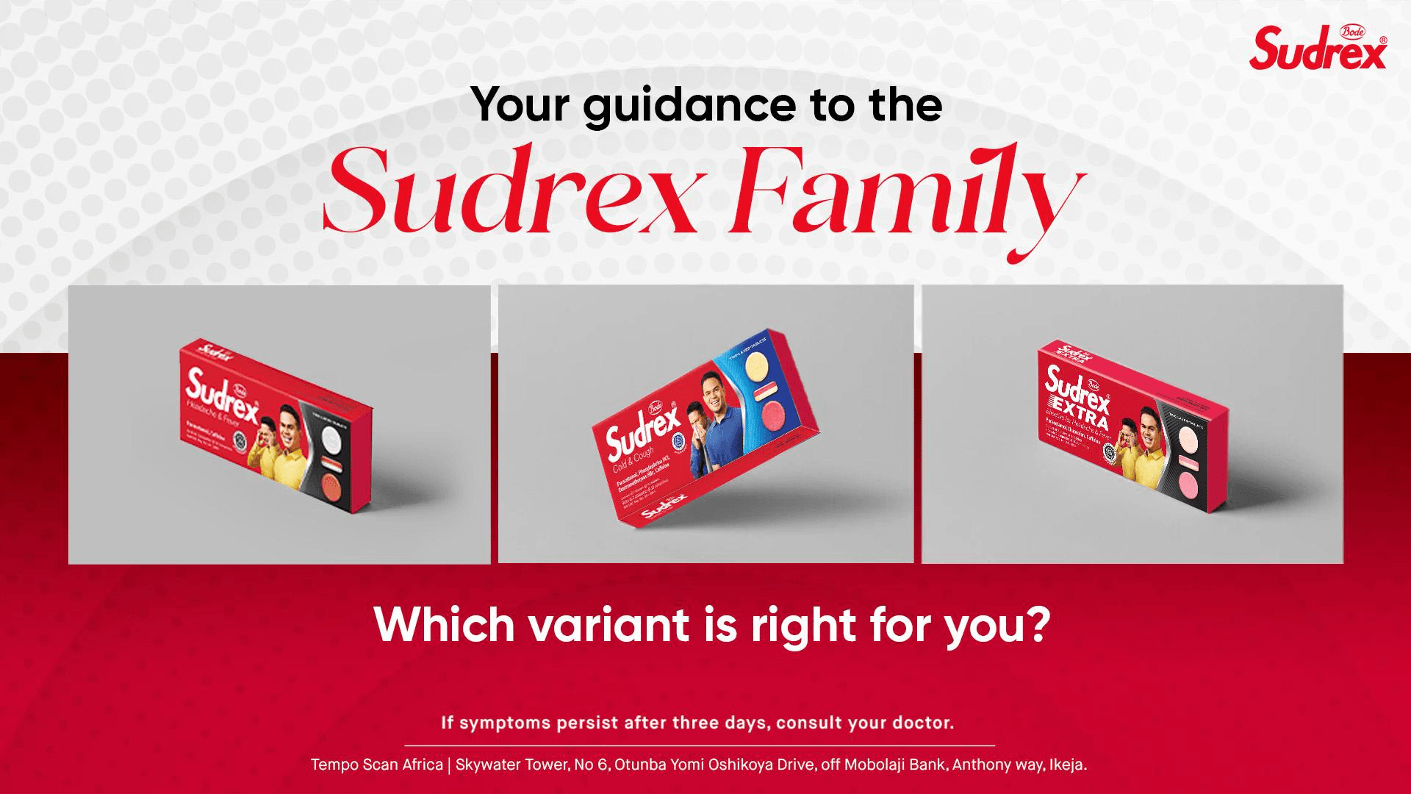
YOUR GUIDE TO THE SUDREX FAMILY: WHICH VARIANT FITS YOUR SYMPTOMS?
Not every headache, fever, or cold comes with the same symptoms. That’s why the Sudrex family offers different variants to help relieve different types of everyday discomfort..... read more