
Importance Of Sleep
Sleep is a vital, often neglected, component of every person's overall health and well-being. Sleep is important because it enables the body to repair and be fit and ready for another day. We sometimes don’t get adequate sleep due to multiple things craving our attention. People are now sleeping less than they did in the past, and sleep quality has decreased as well.
Lack of adequate sleep could result in health challenges which can degenerate into more severe cases if not properly managed. Getting enough sleep is essential for helping a person maintain optimal health and well-being. When it comes to health, sleep is as vital as regular exercise and eating a balanced diet.
According to the National Sleep Foundation, adequate sleep for adults is between 7 and 9 hours a night, and athletes may benefit from as many as 10 hours. Accordingly, sleep is as important to athletes as consuming enough calories and nutrients.
A 2015 study in the Journal of Child Psychology and Psychiatry showed that children’s sleep patterns can have a direct impact on their behavior and academic performance.
Some of the many benefits health professionals associate with getting a good night’s rest are as follows:
- Better productivity and concentration - Good sleep can maximize problem-solving skills and enhance memory. Poor sleep has been shown to impair brain function.
- Lower weight gain risk - Short sleep duration is associated with an increased risk of weight gain and obesity in both children and adults.
- Better calorie regulation - Poor sleep affects hormones that regulate appetite. Those who get adequate sleep tend to eat fewer calories than those who don’t.
- Greater athletic performance - Longer sleep has been shown to improve many aspects of athletic and physical performance.
- Lower risk of heart disease - Sleeping less than 7-8 hours per night is linked to an increased risk of heart disease and stroke.
- Prevents depression - Poor sleeping patterns are strongly linked to depression, particularly for those with a sleeping disorder.
- More social and emotional intelligence - Sleep deprivation may reduce your social skills and ability to recognize people’s emotional expressions.
- Stronger immune system - Getting at least 8 hours of sleep can improve your immune function and help fight the common cold.
Bottom line, along with nutrition and exercise, good sleep is one of the pillars of health. You simply cannot achieve optimal health without taking care of your sleep because lack of adequate sleep might lead to headache, fever and other health challenges. Sudrex Headache & Fever provides fast relief so you can be at your best. #ReliefMoment#WinYourDay
RELATED ARTICLE
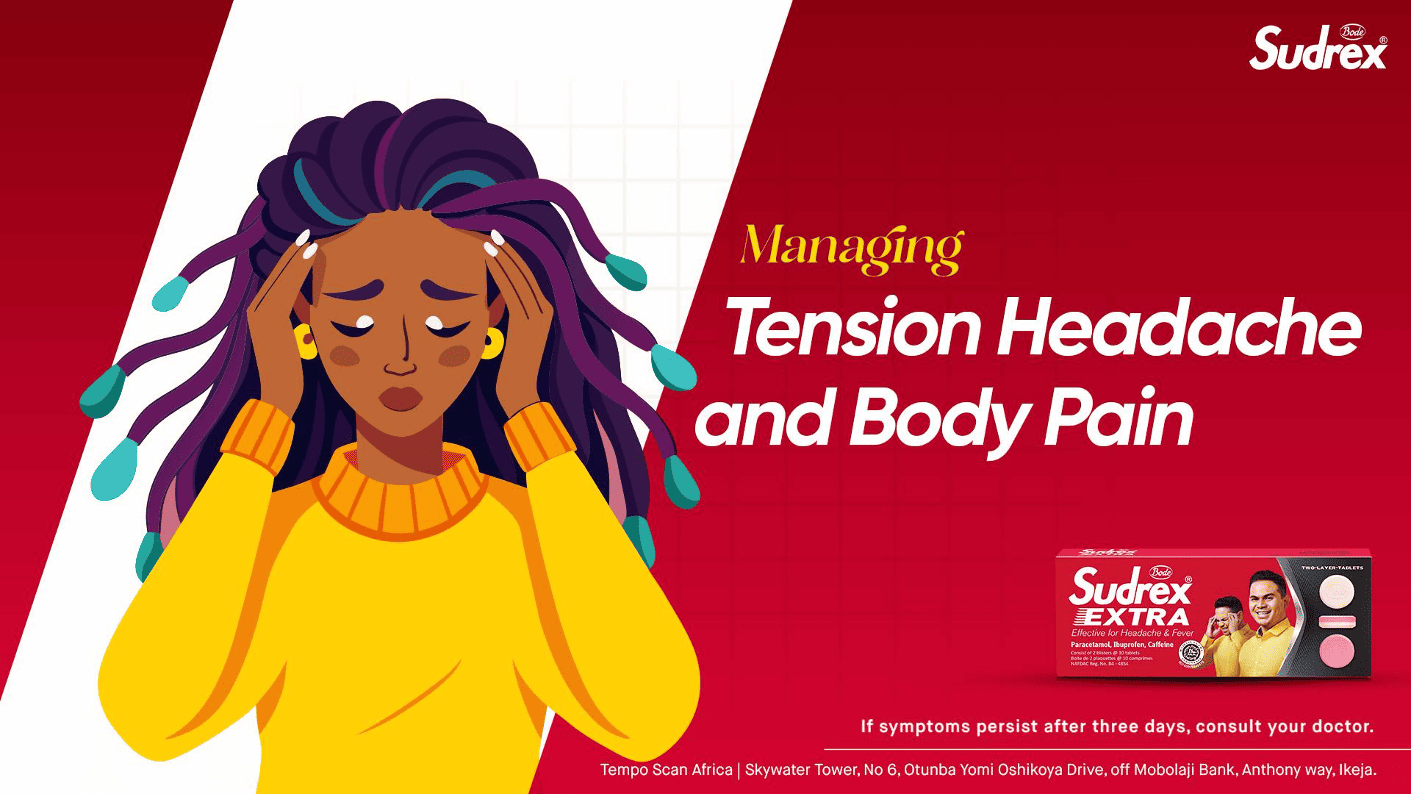
MANAGING TENSION HEADACHE AND BODY PAIN
It may start as a little pressure around your head. Then your neck and shoulders begin to feel tense, and before long, body aches can make it harder to focus, work, or enjoy your day..... read more
YOUR GUIDE TO THE SUDREX FAMILY: WHICH VARIANT FITS YOUR SYMPTOMS?
Not every headache, fever, or cold comes with the same symptoms. That’s why the Sudrex family offers different variants to help relieve different types of everyday discomfort..... read more